When the Air Feels Like Soup: The Real Stakes of Heatwave Future Tech
Picture this: You step outside and the air feels thick, almost soupy. Sweat beads on your forehead before you even reach the mailbox. If you’ve ever wilted in a summer heatwave, you know the feeling. Now imagine that’s not just a bad week—it’s the new normal. That’s where heatwave future tech comes in. This isn’t just about comfort. It’s about survival, sanity, and saving money when the mercury won’t quit climbing.
Why Heatwave Future Tech Matters—And Who Needs It Most
Let’s get real. Heatwaves aren’t just uncomfortable. They kill more people in the U.S. each year than hurricanes, tornadoes, and floods combined. If you’re elderly, have young kids, or live in a city where concrete traps heat, you’re at higher risk. But even if you’re healthy, relentless heat can sap your energy, ruin your sleep, and spike your power bill. Heatwave future tech isn’t just for techies or early adopters. It’s for anyone who wants to stay cool, safe, and sane when the world feels like an oven.
Smart Cooling: The Brains Behind Beating the Heat
AI-Powered Air Conditioning
Old-school AC units blast cold air until you shiver, then shut off. Smart ACs, powered by heatwave future tech, learn your habits. They cool your home only when you need it, saving up to 30% on energy bills. Some even sync with weather forecasts, prepping your space before the heat hits. If you’ve ever come home to a stuffy apartment, you know how much this matters.
Personal Climate Wearables
Imagine a wristband that senses your body temperature and cools you down with a gentle pulse. Or a shirt that wicks sweat and uses tiny fans to keep you comfortable. These aren’t sci-fi—they’re real products, and they’re getting better every year. Heatwave future tech is getting personal, and your wardrobe might be next.
Building Smarter: How Cities and Homes Are Adapting
Cool Roofs and Reflective Paint
Here’s the part nobody tells you: The color of your roof can change the temperature inside by up to 10 degrees. White or reflective coatings bounce sunlight away, keeping buildings cooler. Some cities now require cool roofs on new construction. If you own a home, this is one of the cheapest ways to fight the heat—no gadgets required.
Green Walls and Urban Forests
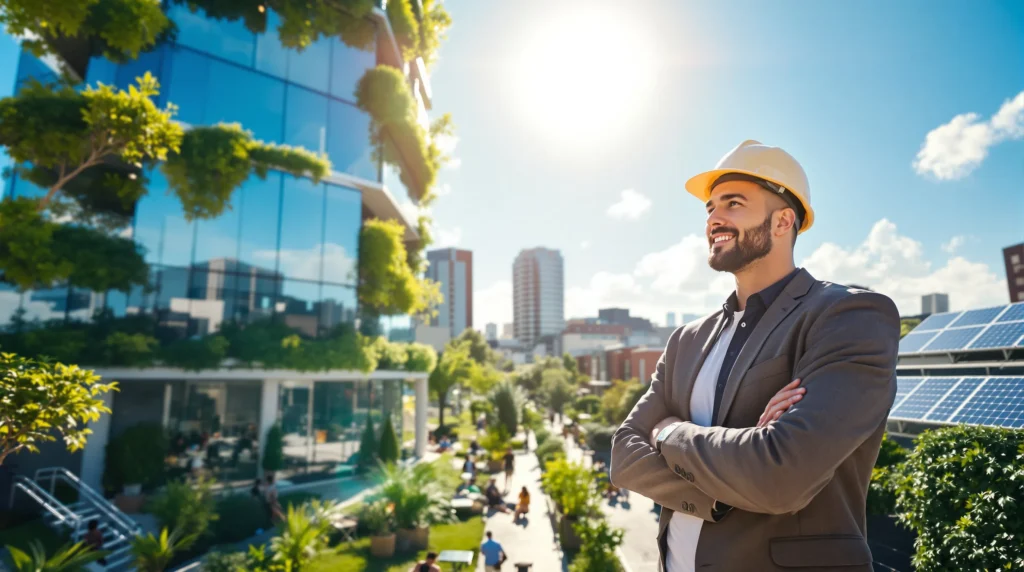
Ever walked down a tree-lined street and felt the temperature drop? That’s not your imagination. Trees and green walls can lower city temps by several degrees. Singapore’s “vertical gardens” cover skyscrapers in plants, slashing AC use and making the city more livable. Heatwave future tech isn’t always digital—sometimes, it’s leafy and green.
Water Wisdom: Staying Cool Without Wasting Resources
Smart Irrigation and Water Recycling
During a heatwave, water use spikes. But wasting water isn’t an option. Smart irrigation systems use sensors to water only when soil is dry, cutting usage by up to 50%. Some buildings now recycle shower and sink water to cool air or irrigate gardens. If you’ve ever felt guilty running the sprinkler, this tech is for you.
Personal Cooling Devices
Handheld misting fans, cooling towels, and portable evaporative coolers are everywhere now. The best ones use minimal water and power, making them perfect for heatwave emergencies or outdoor workers. If you’ve ever tried to sleep with a wet washcloth on your forehead, you’ll appreciate these upgrades.
Powering Through: Energy Solutions for Extreme Heat
Solar Panels and Battery Storage
Here’s a hard truth: Heatwaves often trigger blackouts. Solar panels paired with home batteries can keep your fridge running and your AC humming when the grid goes down. In California, some neighborhoods now share solar microgrids, so everyone stays cool even when the main power fails. Heatwave future tech isn’t just about gadgets—it’s about resilience.
Demand Response Programs
Some utilities now pay you to use less power during peak heat. Smart thermostats can automatically adjust your settings when the grid is stressed. If you’ve ever dreaded your summer electric bill, this is a win-win: You save money and help prevent blackouts.
Lessons Learned: What Works, What Doesn’t, and What’s Next
Let’s break it down. Not every heatwave future tech is a silver bullet. Some smart devices are pricey or tricky to install. Green roofs need maintenance. And not everyone can afford solar panels. But here’s the insight: Layering small changes—like reflective paint, smart thermostats, and a few well-placed trees—can add up to big relief.
If you’ve ever tried to tough out a heatwave with just a fan and a cold drink, you know it’s not enough. The best approach mixes old-school wisdom (shade, airflow, hydration) with new-school tech. And if you’re renting or on a budget, start small. Even a $20 cooling towel or a few houseplants can make a difference.
Who Should Care—and Who Might Not
If you live in a cool, rainy place and love the heat, maybe you don’t need heatwave future tech. But if you’re in Phoenix, Houston, or any city where summer feels endless, this is for you. Parents, seniors, outdoor workers, and anyone with health issues should pay special attention. And if you’re a landlord or business owner, investing in these upgrades can protect your tenants, employees, and bottom line.
Next Steps: How to Prepare for the Heatwave Future
- Audit your home: Check insulation, windows, and roof color
- Try a smart thermostat or AC plug
- Plant shade trees or add window awnings
- Invest in personal cooling gear for emergencies
- Talk to your utility about demand response programs
- Stay informed—heatwave future tech is evolving fast
Here’s the bottom line: The heat isn’t going away. But with the right mix of heatwave future tech and common sense, you can stay cool, safe, and maybe even a little smug when the next scorcher hits. Don’t wait for the next record-breaking summer—start now, and thank yourself later.