Picture this: You’re standing in a bustling San Francisco warehouse, the air thick with the scent of sizzling plant-based burgers and the hum of robots plating sushi. A chef in a lab coat hands you a spoonful of ice cream—no cows involved, just precision fermentation. This isn’t a sci-fi movie. It’s the future food tech San Francisco is serving up right now, and it tastes like possibility.
Why San Francisco Became the Future Food Tech Capital
Let’s break it down. San Francisco didn’t just stumble into the future food tech scene. The city’s always been a magnet for dreamers and tinkerers. But here’s the part nobody tells you: It’s not just about tech. It’s about hunger—literal and figurative. Investors, scientists, and chefs all want to answer the same question: How do we feed a growing world without wrecking the planet?
If you’ve ever wondered why your favorite burger joint suddenly offers a pea-protein patty, or why oat milk is everywhere, thank the future food tech San Francisco crowd. They’re the ones turning wild ideas into your next lunch.
What’s Actually Cooking? The Tech Behind the Taste
Plant-Based Everything
Impossible Foods and Eat Just call San Francisco home. Their labs look more like science classrooms than kitchens. They’re not just swapping beef for beans—they’re mapping the flavor molecules that make meat taste like, well, meat. The result? Burgers that bleed beet juice and scrambled “eggs” made from mung beans. If you’ve ever bitten into a plant-based burger and thought, “Wait, is this real?”—that’s future food tech San Francisco at work.
Fermentation: The Secret Ingredient
Here’s a twist: Some of the most exciting food tech isn’t about plants or animals. It’s about microbes. Companies like Perfect Day use precision fermentation to coax yeast into making real dairy proteins—no cows needed. The result? Ice cream that’s creamy, rich, and totally animal-free. It’s not magic. It’s science, and it’s happening in San Francisco labs right now.
Cellular Agriculture: Meat Without the Moo
Remember the first time you heard about lab-grown meat? It sounded like a science experiment gone wrong. But in San Francisco, companies like Upside Foods are growing chicken from a handful of cells. No feathers, no beaks, just pure protein. The first bites went to a handful of lucky taste-testers. Their verdict? “It tastes like chicken.” Because it is—just made in a tank, not a barn.
Who’s Driving the Future Food Tech San Francisco Scene?
Let’s get specific. The city’s food tech scene isn’t just a bunch of hoodie-wearing coders. It’s chefs, biologists, and even former cattle ranchers. Take Pat Brown, founder of Impossible Foods. He’s a former Stanford professor who wanted to make meat without animals. Or Josh Tetrick, who started Eat Just after a failed attempt to make plant-based mayo in his kitchen. These aren’t overnight successes. They’re stories of failed batches, weird textures, and a lot of taste tests gone wrong.
Investors are betting big, too. In 2023 alone, future food tech San Francisco startups raised over $1.5 billion. That’s not just hype—it’s a sign that people believe in this future.
What’s in It for You?
If you’re a foodie, the future food tech San Francisco movement means more choices. Craving sushi but worried about overfishing? Try BlueNalu’s cell-cultured tuna. Lactose intolerant? Grab a scoop of animal-free ice cream. Even if you’re a die-hard carnivore, you’ll find something to love—or at least something to talk about at your next dinner party.
But here’s the catch: Not every product is a hit. Some plant-based cheeses still taste like rubber. Some lab-grown meats cost more than a steakhouse dinner. The future isn’t perfect, but it’s getting tastier every year.
What Nobody Tells You About Future Food Tech San Francisco
Here’s the part that doesn’t make the headlines. The people behind these breakthroughs aren’t just chasing profits. Many are driven by personal stories—family members with food allergies, memories of drought-stricken farms, or a simple love of cooking. They’ve made mistakes. They’ve dumped entire batches of failed cheese down the drain. But they keep going, because the stakes are real: climate change, food security, and the chance to make dinner better for everyone.
If you’ve ever felt guilty about your carbon footprint or wondered if your food choices matter, you’re not alone. The future food tech San Francisco community is asking the same questions—and building answers you can actually taste.
How to Get Involved (Even If You’re Not a Scientist)
You don’t need a PhD to join the future food tech San Francisco movement. Here’s how you can jump in:
- Try new products: Next time you’re at the grocery store, grab a plant-based sausage or animal-free yogurt. Taste is believing.
- Visit local events: San Francisco hosts food tech pop-ups, tastings, and panels. You’ll meet the people behind the products—and maybe score some free samples.
- Share your feedback: Startups crave honest opinions. If you love (or hate) a new product, let them know. Your voice shapes what hits the shelves next.
- Support local startups: Many future food tech San Francisco companies sell direct-to-consumer. Buying from them helps fuel the next wave of innovation.
Here’s why this matters: Every bite you take is a vote for the future you want. The more we support these new foods, the faster they’ll improve—and the sooner they’ll become part of everyday life.
What’s Next for Future Food Tech San Francisco?
The story’s just getting started. In the next few years, expect to see:
- Cheaper, tastier cell-cultured meats
- Plant-based seafood that actually tastes like the ocean
- Personalized nutrition—think protein bars made for your DNA
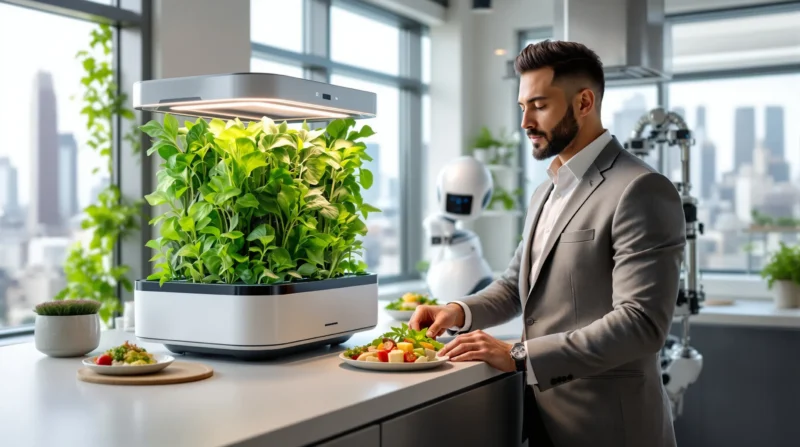
- Robots cooking your lunch in downtown kitchens
But the real magic? It’s in the people. The future food tech San Francisco community is full of risk-takers, skeptics, and dreamers. They’re not just changing what’s on your plate—they’re changing how we think about food itself.
Is This for You?
If you love trying new things, care about the planet, or just want to eat well, future food tech San Francisco has something for you. If you’re a traditionalist who thinks tofu is a crime against nature, you might need some convincing. But even skeptics admit: The food is getting better, the prices are dropping, and the movement isn’t slowing down.
So next time you’re in San Francisco, skip the usual tourist spots. Head to a food tech pop-up, grab a plant-based taco, and taste the future. You might be surprised by what’s cooking.